TRE vs Meditation vs Breathwork: Which Is Best for Stress Relief?
TRE, meditation or breathwork? Compare three approaches to stress management, understand how they differ and discover which might suit you.

There are countless ways to approach stress management.
Meditation apps promise a calmer mind. Breathwork classes offer a way to change your breathing patterns. Yoga combines movement, balance and awareness.
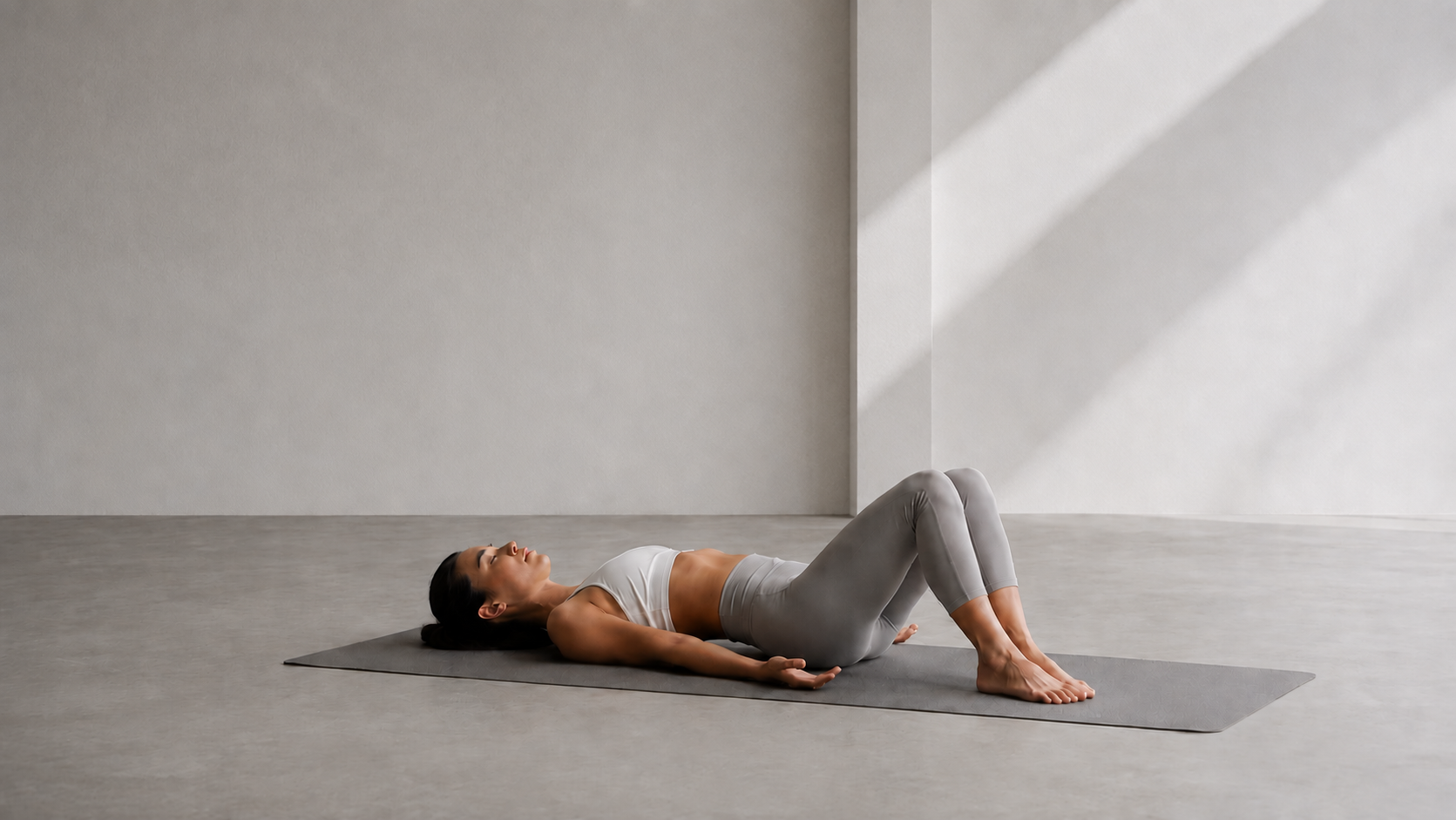
And then there is TRE®: a practice that uses a series of exercises to encourage a natural tremoring response in the body.
But which approach is best?
The honest answer is that there isn't one universal solution.
Different practices work in different ways, and what feels useful to one person may be uncomfortable or ineffective for another.
Understanding the differences can help you find an approach that fits your lifestyle and preferences.
1. Meditation: training your attention
Meditation is a broad term covering many different practices.
Some forms involve focusing on the breath. Others involve observing thoughts, developing concentration or cultivating a particular attitude towards experience.
Mindfulness meditation, for example, encourages you to pay attention to the present moment without immediately judging or reacting to what you notice.
Potential benefits include developing greater awareness of thoughts and feelings and finding a way to step back from automatic patterns of reaction.
Meditation can be particularly useful for people who enjoy stillness, reflection and mental focus.
However, sitting quietly isn't comfortable for everyone.
If you're already restless, physically tense or struggling to concentrate, it may take time to find a meditation style that suits you.
2. Breathwork: working with your breathing
Breathwork describes a range of practices involving deliberate changes to breathing.
These can include slow breathing, diaphragmatic breathing and other structured breathing exercises.
Unlike meditation, which often involves observing the breath, breathwork may involve actively changing its rhythm or depth.
The NHS recommends gentle breathing exercises as one practical approach to managing stress, anxiety and panic.
A simple breathing practice might involve:
- Sitting somewhere comfortable.
- Relaxing your shoulders.
- Breathing gently through your nose if comfortable.
- Allowing the breath to flow without forcing it.
- Repeating for several minutes.
Breathing practices are accessible and can be incorporated into everyday routines.
Some people, however, find focusing on their breathing uncomfortable. This is a good reason to explore other forms of relaxation and grounding.
3. TRE: working with movement and tremoring
TRE stands for Tension and Trauma Releasing Exercises.
Developed by Dr David Berceli, it involves seven physical exercises designed to encourage a self-induced tremoring response.
Unlike meditation, which generally involves working with attention, or breathwork, which focuses on breathing, TRE introduces a physical movement-based experience.
The exercises are designed to prepare the body for tremoring, which participants learn to allow and regulate.
Some people describe feeling physically relaxed afterwards. Others find the practice interesting because it offers a way to explore movement without having to consciously control every action.
Research into TRE is still developing.
A 2026 scoping review examined 22 studies and identified promising preliminary findings in relation to stress, anxiety, sleep and other outcomes.
However, the review also highlighted limitations in the evidence base.
TRE should not be considered a proven treatment for trauma or a replacement for established mental health care.
Comparing the three approaches
| Feature | Meditation | Breathwork | TRE |
|---|---|---|---|
| Main focus | Attention and awareness | Breathing | Movement and tremoring |
| Physical movement | Usually minimal | Usually minimal | Central to the practice |
| Requires stillness | Often | Not necessarily | No |
| Can be practised at home | Yes | Yes | After appropriate instruction |
| Research maturity | Extensive, but varies by method | Extensive, but varies by method | Emerging |
| Main approach | Observing experience | Working with breath | Exploring physical responses |
The important thing to remember is that these aren't competing treatments.
They are different practices that can potentially complement one another.
Which approach is best for anxiety?
There is no single answer.
If you enjoy sitting quietly and observing your thoughts, meditation might be a good starting point.
If you find that gentle breathing helps you settle, breathwork may be useful.
If you prefer physical activity and find it difficult to connect with traditional mindfulness practices, a movement-based approach such as TRE may be worth exploring.
However, anxiety can be complex, and persistent or debilitating anxiety deserves appropriate professional support.
These practices should be viewed as potential wellbeing tools, not guaranteed treatments.
Which approach is best for people who struggle to sit still?
A lot of popular wellbeing advice assumes that people are comfortable sitting quietly, focusing on their breathing or observing their thoughts.
But that's not everyone's experience.
Some people find movement easier than stillness.
They may enjoy walking, stretching, swimming, strength training or other physical activities.
A movement-based practice can offer another route into physical awareness.
This is one of the reasons TRE is interesting: it offers an approach that begins with physical movement rather than asking you to sit down and clear your mind.
Can you combine TRE, meditation and breathwork?
Potentially, yes.
Some people prefer to have different practices for different situations.
For example:
- Walking during the day.
- Gentle breathing exercises when feeling overwhelmed.
- Meditation as part of an evening routine.
- TRE as a separate guided movement practice.
There is no requirement to choose just one. You might also like TRE vs Somatic Experiencing.
However, introducing new practices gradually is sensible, particularly if you have a history of trauma, panic, dissociation or health conditions that may affect your response.
With TRE, learn the technique with a properly trained provider before practising independently.
A different approach to wellbeing
At The Shake Studio, we are interested in making body-based wellbeing more accessible.
We don't believe that everyone needs to become a meditation expert or spend hours trying to relax.
We believe there should be more ways to explore physical tension, movement and recovery.
TRE is one of those ways.
It is practical, physical and different from many of the approaches people are already familiar with.
Research and further reading
- Roos, L.A.J. et al. (2026). Trauma Releasing Exercises: A Scoping Review.
- NHS. Breathing exercises for stress.
- NHS inform. Progressive muscle relaxation.
- World Health Organization. Physical activity and mental health.
- NICE. Post-traumatic stress disorder: recommendations for treatment.
This article is educational and does not replace medical or psychological advice. TRE is a well-being practice, not a treatment.